
Bathroom Countertops
Surfaces Built for Daily Water Exposure
Bathroom Countertops in Somerville for vanities with damaged laminate or outdated tile surfaces
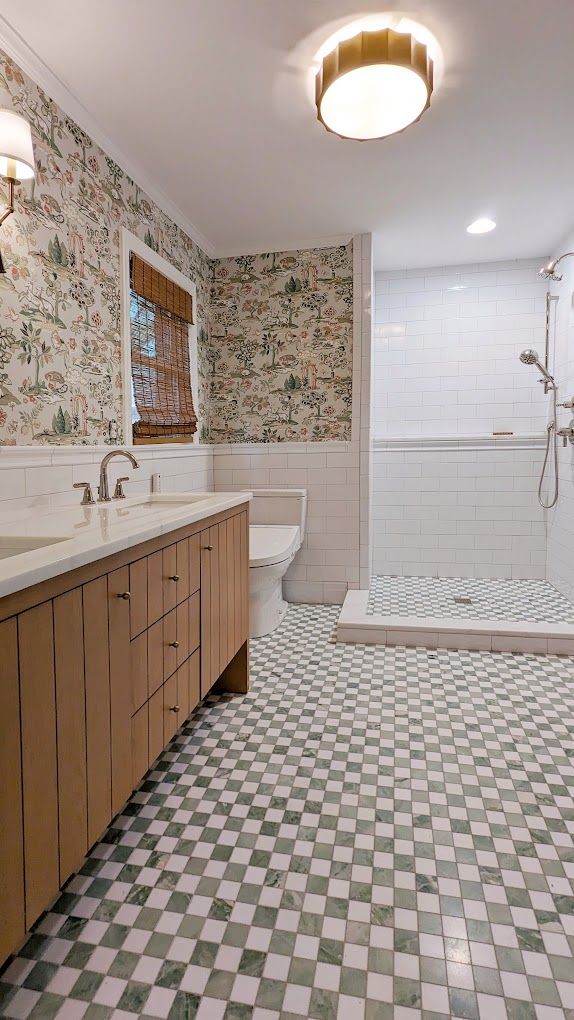
Laminate countertops delaminate near sinks where water seeps beneath edges, tile grout lines collect stains that scrubbing no longer removes, and cultured marble develops cracks where soap dispensers mount through the surface. Inside & Out Home Improvement installs custom bathroom countertops in Somerville using granite, marble, and quartz materials that resist moisture penetration and maintain smooth, sealed surfaces around undermount or drop-in sinks. Stone countertops eliminate the seams and grout lines where bacteria accumulate, providing surfaces that wipe clean without absorbing toothpaste residue, cosmetics, or hard water deposits.
Custom fabrication involves templating the existing vanity to create countertops cut for specific sink placements, faucet hole configurations, and edge profiles that fit against walls without gaps. Granite offers natural variation in color and pattern with high scratch resistance, marble provides the classic white appearance preferred in traditional bathrooms, and quartz delivers consistent coloring through engineered composition that requires no periodic sealing.
Arrange a consultation to review material samples and discuss vanity measurements for precise fabrication.
What Changes After Stone Countertops Are Installed
Stone countertop installation requires removing the old surface without damaging vanity cabinets, verifying that the cabinet structure can support the increased weight of granite or marble slabs, and setting the new countertop with undermount sinks already attached or cutouts prepared for drop-in fixtures. Seams are positioned in low-traffic areas when single slabs can't span the full vanity width, and edges receive finished profiles that prevent chipping at corners where towels and containers make contact.
After installation, water no longer seeps into seams around the sink area, surfaces resist staining from hair products and cosmetics that previously left permanent marks on laminate, and cleaning requires only wiping without scrubbing grout lines or peeling edges. Quartz maintains its polished finish without the periodic sealing that granite and marble require to prevent absorption. The solid surface tolerates hot styling tools set directly on the counter without scorching or discoloration.
Material selection depends on maintenance preferences and aesthetic goals—granite and marble require annual sealing to maintain stain resistance, while quartz remains non-porous without treatment. Edge profiles range from simple straight cuts to decorative ogee or bullnose shapes that soften corners in bathrooms where children use the space.
Common Questions About Bathroom Countertops
Property owners typically want to know how different stone materials perform in bathrooms with high humidity and what fabrication involves for non-standard vanity sizes.
- What makes quartz different from granite for bathroom use? Quartz is engineered from crushed stone and resin binders, creating a non-porous surface that never requires sealing and maintains consistent color without the natural variation found in granite slabs quarried from different locations.
- How are countertops fabricated to fit existing vanities? Fabricators create templates from the actual vanity dimensions, then cut stone slabs to match those measurements while positioning sink cutouts and faucet holes according to plumbing locations and preferred fixture placement.
- When does marble become impractical for bathrooms? Marble's softer composition makes it vulnerable to etching from acidic products like certain cleaners and cosmetics, so it works best in powder rooms or bathrooms where usage remains light and spills get wiped immediately.
- What determines whether undermount or drop-in sinks work better? Undermount sinks require solid surface countertops like stone to support the weight from below and create the sealed edge, while drop-in sinks sit on top of the counter and work with any material thickness.
- How does humidity in Somerville affect stone countertops? Stone materials themselves resist humidity damage, but proper sealing on granite and marble prevents moisture from penetrating the surface and causing discoloration or bacterial growth in microscopic pores that develop over years of use.
Inside & Out Home Improvement provides material samples during consultation so you can see actual granite patterns, marble veining, and quartz color options before fabrication begins. Contact the company to schedule an in-home review of your vanity dimensions and discuss stone selections that match your bathroom fixtures.