
Kitchen Appliances
Appliance Connections That Actually Work
Kitchen Appliances in Somerville for installations requiring electrical upgrades and proper ventilation
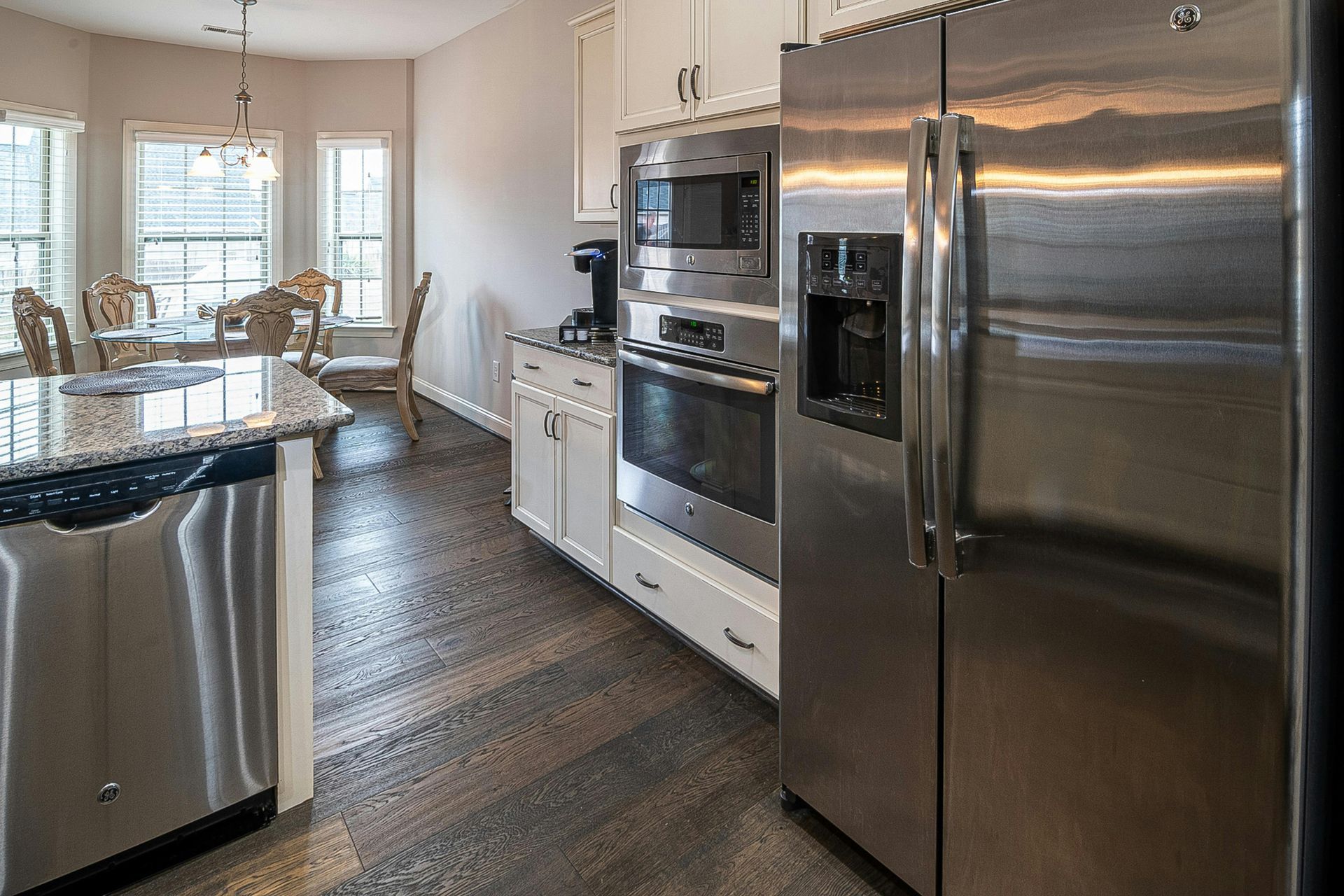
Modern kitchen appliances draw more power and require different ventilation than models from even ten years ago, which means you can't simply swap an old oven for a new one without verifying the electrical circuit can handle the load and the ventilation duct actually exhausts to the outside. Installing kitchen appliances—including ovens, dishwashers, refrigerators, cooktops, microwaves, and range hoods—as part of kitchen remodeling projects requires matching the appliance specifications to your home's electrical capacity and ensuring gas lines or ventilation ducts are sized correctly. Inside & Out Home Improvement handles these installations in Somerville so appliances operate at full capacity without tripping breakers or venting cooking exhaust back into your kitchen.
The work involves running dedicated electrical circuits if your panel has capacity, connecting gas lines with proper shutoff valves and leak testing if you're installing gas ranges or cooktops, and routing ventilation ductwork through the shortest path to an exterior wall or roof vent. This addresses kitchens where the circuit breaker trips when you run the oven and cooktop simultaneously, range hoods recirculate air instead of venting it outside, or appliances don't fit properly in cabinet openings because dimensions weren't verified before ordering.
Schedule an appliance review to confirm your electrical service and ventilation routing before purchasing new units.
What Appliance Installation Actually Accomplishes
Installation starts with verifying the appliance will physically fit the cabinet opening and that the electrical outlet or gas connection is positioned where the appliance manufacturer specifies, because even an inch of deviation can mean supply lines don't reach or the appliance sits crooked. Range hoods require ductwork sized to match the CFM rating so they move enough air to clear smoke and steam, and downdraft ventilation systems need dedicated duct runs because they can't share venting with other appliances.
After installation completes, your oven heats to the set temperature without cycling on and off because the circuit supplies adequate amperage, your dishwasher drains completely without leaving standing water in the bottom because the drain line is looped properly, and your range hood actually clears cooking smoke instead of just making noise. Refrigerators sit level so doors swing closed on their own rather than hanging open, and ice makers connect to water lines with shutoff valves that let you service the unit without shutting off water to the entire kitchen.
Proper installation includes leveling appliances front-to-back and side-to-side so they operate correctly, securing anti-tip brackets on ranges to prevent them from tipping forward if weight is placed on the open oven door, and sealing gaps around cooktops so spills don't drip into the cabinet below. Ventilation ductwork needs to terminate outside with a damper that closes when the hood isn't running, preventing cold air from entering during winter months in Somerville.
Questions Before Starting Your Project
Appliance installation raises practical concerns about electrical requirements, ventilation adequacy, and how different appliance types integrate with your kitchen layout.
- What electrical upgrades are typically needed for modern kitchen appliances? Most electric ranges require a dedicated 240-volt circuit with 40 or 50 amps, built-in ovens need their own 240-volt circuit separate from the cooktop, and dishwashers operate on 120 volts but perform better with dedicated circuits rather than sharing with countertop outlets.
- How do you determine if a range hood vents properly? The ductwork should run as straight as possible to an exterior vent with minimal elbows, because every 90-degree turn reduces airflow by approximately 25 feet of equivalent duct length, and flexible duct creates more resistance than rigid metal duct.
- Why do some dishwashers leave dishes wet even after the dry cycle? If the unit isn't level, water pools in the bottom instead of draining completely, and if the drain line doesn't loop up higher than the sink drain connection, wastewater can siphon back into the dishwasher.
- What spacing is required around refrigerators for proper operation? Refrigerators need clearance at the back and sides for air circulation around the condenser coils, and built-in models require specific ventilation grilles at the toe kick and top of the cabinet to prevent overheating.
- When should gas lines be replaced during appliance installation in Somerville? Old gas lines with compression fittings that show corrosion should be replaced with new black iron or CSST flexible gas line, and all connections need to be tested with soap solution to verify they don't leak before the appliance is used.
Inside & Out Home Improvement coordinates appliance delivery with installation timing so units don't sit in your garage for weeks waiting for electrical or ventilation work to finish, and tests all connections under load to confirm everything operates correctly before considering the job complete. Contact us to review your appliance specifications and discuss what electrical or ventilation modifications need to happen before installation day.