
Brick Patios
Natural Material That Ages With Character
Brick Patios in Somerville for outdoor spaces where appearance improves rather than deteriorates over time
Brick patio surfaces develop weathered patinas and settled character that many property owners prefer over materials that show wear as degradation. The installation process for brick patios involves base preparation similar to concrete work, but the individual unit placement allows for drainage through joints and easier repairs when ground movement causes minor shifting. Inside & Out Home Improvement installs brick patios in Somerville using patterns that range from simple running bond to complex herringbone layouts, with each pattern affecting both appearance and structural stability as the patio settles into place.
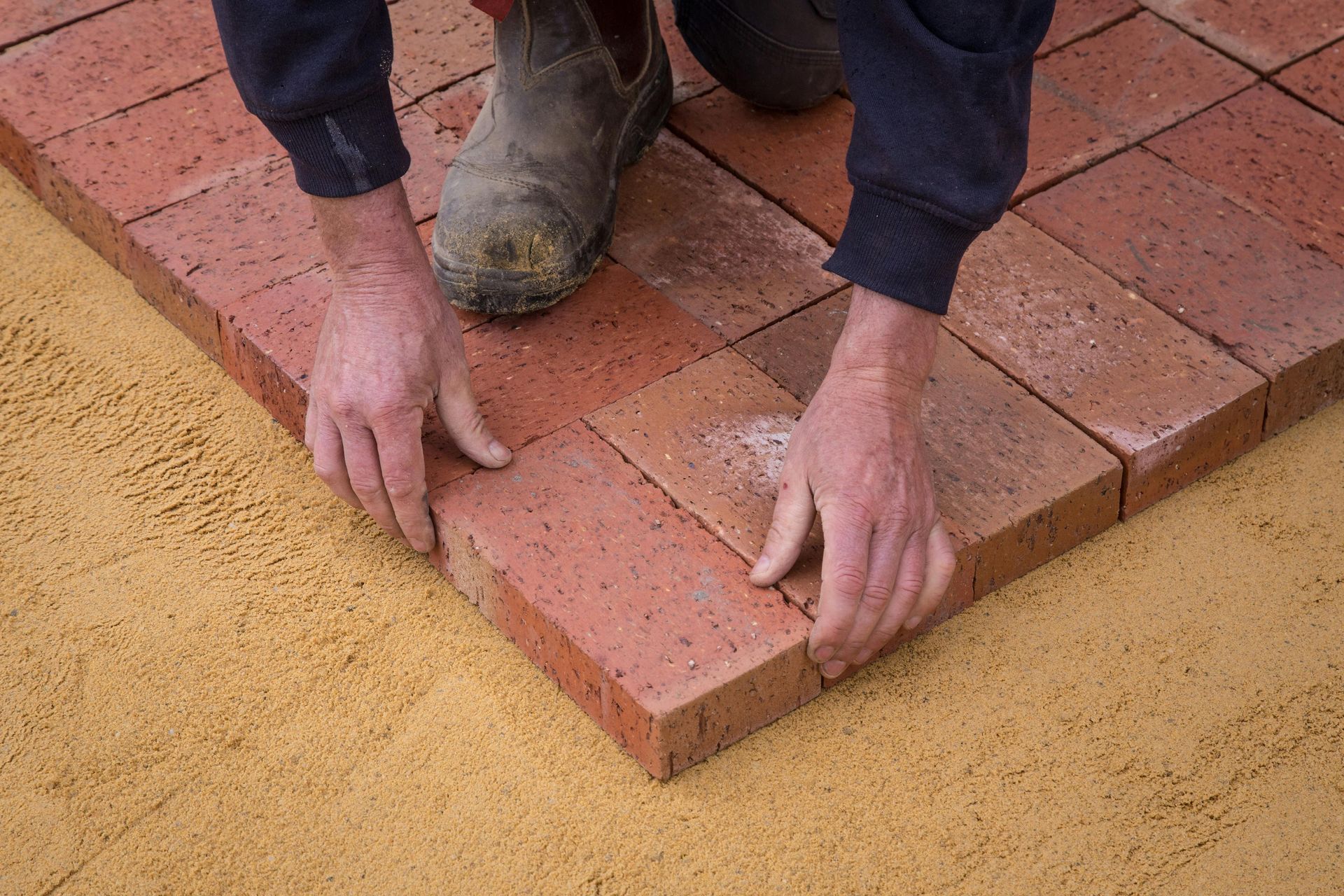
The work begins with excavation and base compaction, followed by a sand setting bed that allows individual bricks to be leveled and adjusted during installation. Brick selection involves choosing units rated for ground contact and freeze-thaw exposure, since paving bricks differ structurally from wall bricks in their density and moisture resistance. Edge restraints installed around the patio perimeter prevent the brick field from spreading outward over time as foot traffic and weather exert lateral pressure on the surface.
Schedule a property evaluation to discuss pattern options and review how site grading affects brick patio installation.
The Difference Between Mortared and Sand-Set Installation
Sand-set brick patios rest on a compacted gravel base topped with a sand layer, allowing individual bricks to shift slightly without cracking as the ground moves through freeze-thaw cycles. Polymeric sand swept into the joints hardens after watering to lock bricks in place while still permitting minor movement, and this installation method makes individual brick replacement straightforward when needed. Mortared brick installations bond units to a concrete base with mortar joints, creating a more rigid surface that resists shifting but requires more extensive repair if cracks develop.
Once installed, you see a patio surface with consistent joint spacing and a pattern that remains visually aligned even as individual bricks develop color variations from weathering. The brick texture provides reliable traction in wet conditions, and moss growth in shaded joints—if it occurs—can be removed without damaging the brick surface. The patio handles furniture weight without developing depressions, and seasonal ground movement causes minimal visible change because the sand-set method accommodates small shifts without cracking.
Pattern selection affects how cuts are needed at patio edges and around obstacles like posts or planters, with running bond patterns requiring fewer cuts than basketweave or herringbone layouts. Brick color blending during installation prevents obvious color batching, distributing natural brick color variation evenly across the patio surface rather than creating zones of different shades.
Answers to Frequent Service Questions
Property owners typically want to know about brick durability, pattern options, and how the patio performs in Somerville weather conditions.
What type of brick works for patio installation?
Paving bricks rated SW for severe weathering have the density and moisture resistance needed for ground contact and freeze-thaw exposure, unlike standard building bricks which absorb too much water and crack when frozen.
How does pattern choice affect patio stability?
Herringbone patterns interlock to resist shifting better than running bond layouts, making them preferable for driveways or high-traffic areas, while simpler patterns install faster and require fewer cut bricks at borders.
What maintenance does a brick patio require?
Occasional joint sand replenishment maintains brick stability, and periodic cleaning removes organic staining, but the bricks themselves need no sealing or resurfacing under typical outdoor conditions in Somerville.
When do bricks need replacement?
Individual bricks crack if impacted hard or if defective units absorb excessive moisture, but damaged bricks lift out easily in sand-set installations and replacement units blend in quickly as they weather to match surrounding bricks.
How is water drainage managed?
The base is graded to slope away from structures, and water drains through the joints between bricks rather than running across the surface, preventing the pooling issues common with solid paving materials.
Inside & Out Home Improvement lays out pattern samples on-site so you can see how different brick arrangements look at full scale before installation begins. Arrange a consultation to review brick options and custom layout designs that fit your outdoor space dimensions.