
Tile Patios
Patterns That Define Your Outdoor Space
Tile Patios in Somerville for properties where surface appearance and weather resistance both matter
When outdoor spaces need surfaces that combine visual design with functional durability, tile patios address both requirements through material selection and installation methods that account for Tennessee's freeze-thaw cycles. Inside & Out Home Improvement installs tile patio surfaces using materials rated for outdoor exposure, with underlayment systems that manage moisture movement and prevent tile displacement as temperatures shift. The process involves more complexity than interior tile work because the installation must handle direct weather exposure while maintaining the grout lines and pattern alignment that define the finished appearance.
Tile selection determines how the patio performs over time, with porcelain and natural stone options offering different levels of slip resistance, stain absorption, and frost tolerance. The base preparation includes a concrete slab or reinforced mortar bed that remains stable as the ground beneath expands and contracts, and waterproofing membranes prevent moisture from reaching the tile bond layer where freeze damage typically begins.
Arrange an on-site consultation to review tile options and discuss pattern layouts that work with your patio dimensions.
How Tile Installation Addresses Weather Exposure
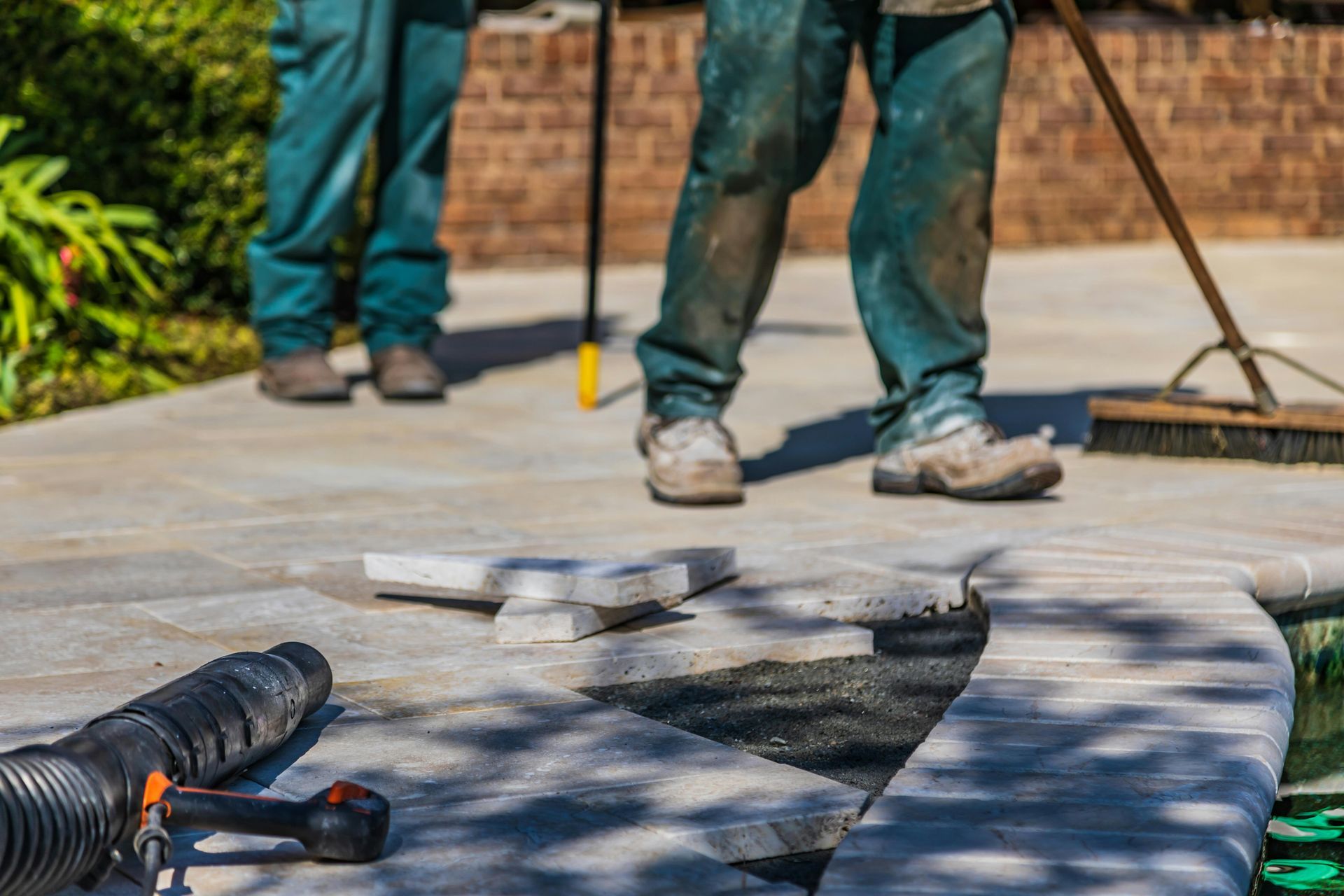
The installation starts with a properly sloped base that directs water away from the patio surface, followed by a mortar setting bed applied in sections to maintain consistent tile height across the entire area. Tile placement follows the predetermined pattern with spacers maintaining uniform grout joints, and leveling checks happen continuously to prevent lippage where tile edges don't align. Outdoor-rated thin-set mortar bonds the tile to the base, formulated to flex slightly as materials expand and contract with temperature changes rather than cracking under stress.
After grouting, the patio surface shows consistent pattern alignment with grout lines that remain intact through wet conditions and temperature swings. The tile finish you selected—matte, textured, or polished—determines traction levels when the surface is wet, and sealer application protects grout joints from staining and moisture penetration. Colors and patterns remain stable under direct sun exposure because outdoor-rated tiles resist fading, maintaining the design appearance you selected during installation.
Grout joint width and sealer selection affect long-term maintenance requirements, with wider joints showing less cracking over time but requiring more frequent cleaning. The tile edges at patio borders need proper termination details to prevent water intrusion, and expansion joints placed strategically allow the tiled surface to move without cracking as seasonal ground movement occurs.
Common Questions About This Service
Homeowners usually ask about tile durability in outdoor conditions, maintenance needs, and how patterns affect the final cost.
What makes tile suitable for outdoor patio use?
Outdoor-rated tiles have water absorption rates below specific thresholds and are tested for freeze-thaw resistance, ensuring they don't crack when moisture inside the tile expands during winter freezes common in Somerville.
How does pattern complexity affect installation?
Intricate patterns with multiple tile sizes or diagonal layouts require more cutting and precise placement, increasing both material waste and installation time compared to simple grid patterns using uniform tile sizes.
What happens if a tile cracks after installation?
Individual tiles can be removed and replaced without disturbing surrounding tiles, though matching the exact color and finish becomes easier when you retain extra tiles from the original installation batch.
When does grout need resealing?
Grout sealer typically requires reapplication every two to three years depending on exposure and foot traffic, with unsealed grout absorbing stains and moisture that lead to discoloration and potential freeze damage.
How is drainage managed on a tile patio?
The underlying concrete base is sloped during installation to move water toward drainage points, with the tile surface following that same slope to prevent standing water on the finished patio.
Inside & Out Home Improvement sources tiles rated for exterior exposure and installs them using methods that account for ground movement and weather conditions specific to the region. Request samples and pattern mockups to see how different tile options look in your outdoor lighting conditions.