
Hardwood Flooring Installation
Bringing Natural Wood Into Living Spaces
Hardwood Flooring Installation in Somerville for homes where outdated flooring detracts from interior warmth and visual appeal
Hardwood flooring changes how rooms feel by introducing natural grain patterns, warmth underfoot, and a surface that improves with refinishing rather than requiring full replacement. The installation process depends on your subfloor type—concrete slabs require different fastening methods than wood joists—and the hardwood species you select affects color stability, dent resistance, and how the floor responds to humidity changes. Inside & Out Home Improvement installs hardwood flooring in Somerville homes by preparing substrates correctly, acclimating wood to interior conditions, and fastening planks with methods that allow seasonal movement without causing gaps or buckling.
This service replaces carpet, tile, vinyl, or damaged existing hardwood with new solid or engineered hardwood planks. Subfloor preparation ensures the surface is flat, dry, and structurally sound, while careful fastening and finish application protect the wood and allow it to expand and contract with Somerville's humidity fluctuations throughout the year.
Arrange an on-site consultation to review your current flooring and subfloor type, and discuss which hardwood species and finishes suit your home's conditions and design preferences.
What Happens During Hardwood Floor Installation
Old flooring is removed and the subfloor is inspected for level, moisture content, and structural integrity. High spots are sanded, low spots are filled, and moisture barriers are installed over concrete or in crawlspace applications. Hardwood planks acclimate to your home's interior humidity for several days before installation begins, reducing the risk of expansion or contraction after fastening. Planks are then nailed, stapled, or glued depending on subfloor type and plank thickness, with staggered seams and proper expansion gaps maintained at walls and transitions.
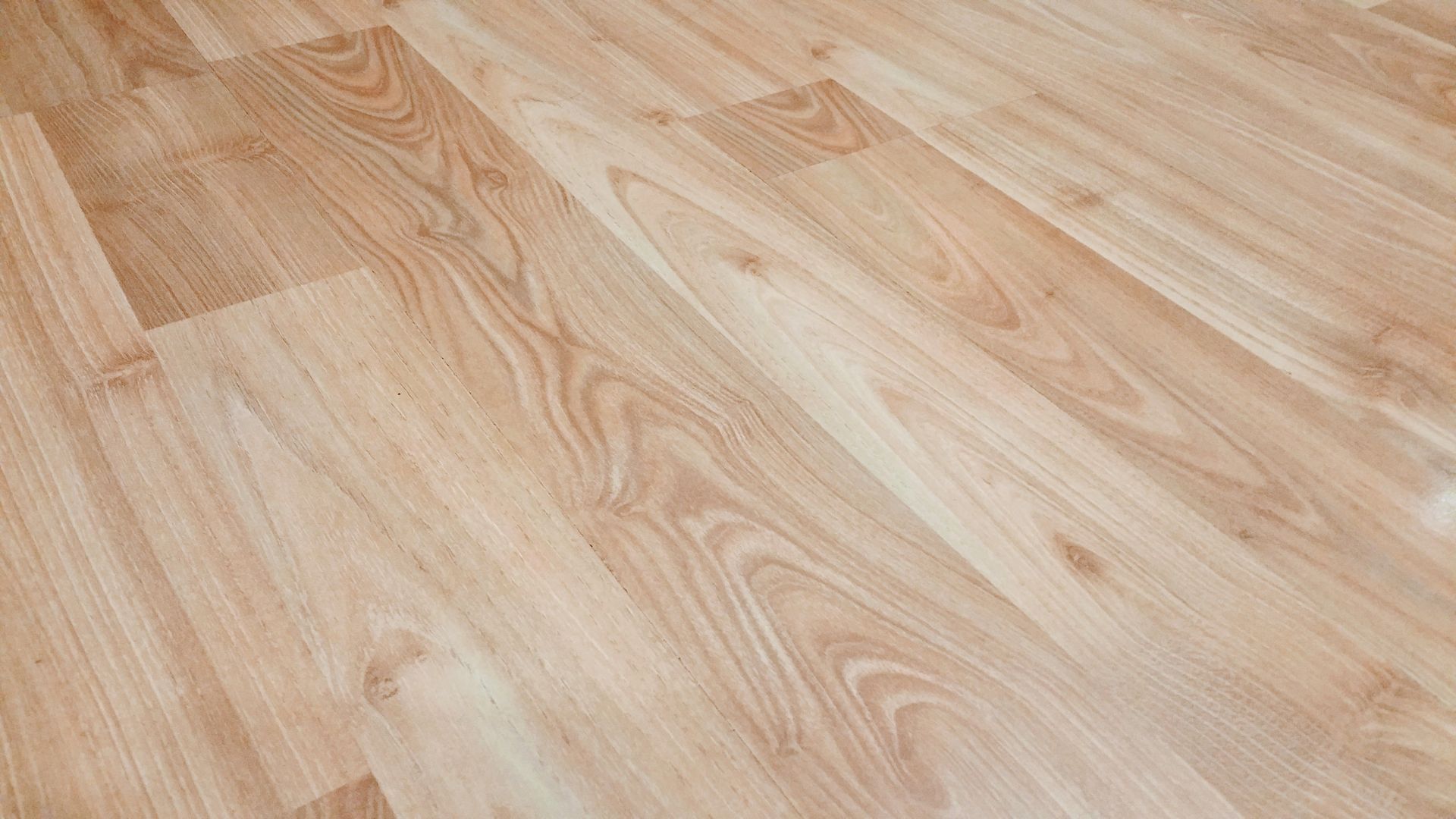
After installation and finishing, you notice consistent plank color and grain flow across rooms, smooth transitions at doorways, and a surface that feels solid without squeaks or movement. The floor reflects light differently than carpet or vinyl, making rooms appear larger and more open. Over time, minor scratches and dents can be sanded and refinished rather than requiring full floor replacement, extending the floor's lifespan decades beyond synthetic alternatives.
The scope includes flooring removal, subfloor leveling and moisture barrier application, hardwood plank installation, sanding if using unfinished wood, stain application if desired, and protective topcoat finishing. It does not include baseboard or trim replacement unless specified, though shoe molding installation to cover expansion gaps is standard.
What Homeowners Typically Want to Know
Hardwood flooring decisions involve material selection, subfloor compatibility, and long-term maintenance considerations that vary by home.
What's the difference between solid and engineered hardwood for installation purposes?
Solid hardwood requires nail-down installation over wood subfloors and cannot be installed directly on concrete, while engineered hardwood uses a plywood core that allows glue-down or floating installation over any flat, dry subfloor including concrete slabs.
How does humidity in Somerville affect hardwood flooring performance?
Seasonal humidity changes cause hardwood to expand in summer and contract in winter, making proper acclimation before installation and maintained expansion gaps at walls critical to prevent buckling or excessive gapping as the wood moves.
What subfloor conditions prevent hardwood installation?
Subfloors with active moisture intrusion, significant deflection, or out-of-level surfaces beyond 3/16 inch over ten feet require correction before hardwood can be installed, since these conditions cause planks to separate, cup, or crack.
When should I choose prefinished hardwood versus site-finished?
Prefinished hardwood installs faster with no finish odor or drying time, though site-finished hardwood allows custom stain colors and creates seamless surface-level joints between planks for a more uniform appearance.
What hardwood species work best for high-traffic areas?
Oak and maple offer good dent resistance and are widely available, while harder species like hickory or Brazilian cherry handle heavy traffic better but cost more and may show color variation between planks due to natural grain characteristics.
Inside & Out Home Improvement evaluates your subfloor type, room conditions, and traffic patterns to recommend hardwood options that perform reliably in your Somerville home. Request a detailed estimate that includes subfloor preparation requirements and hardwood species comparisons based on your priorities for appearance, durability, and budget.