
Patio Covers
Shade Structures That Function Year-Round
Patio Covers in Somerville for outdoor spaces that need protection from sun and rain without blocking airflow
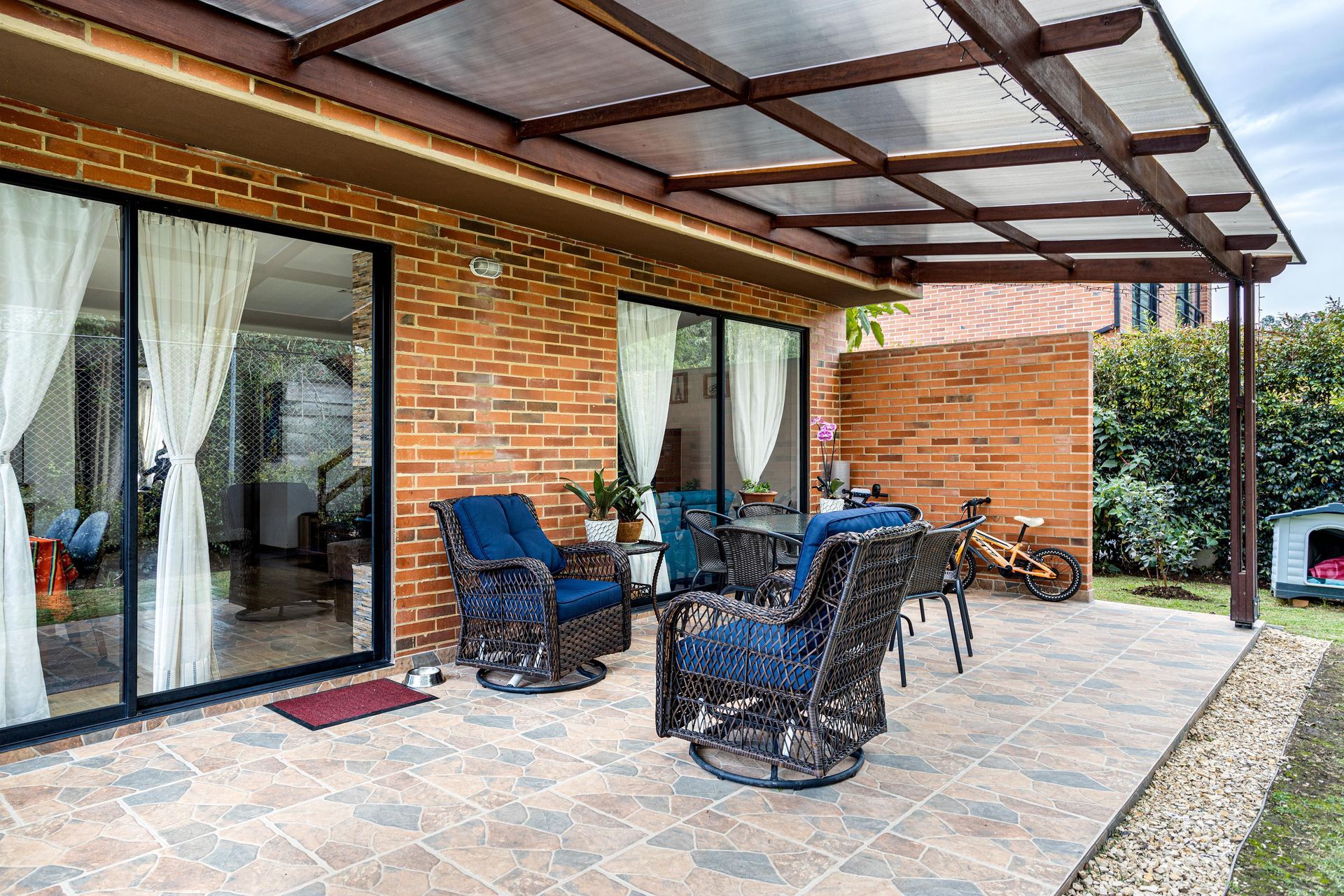
Outdoor spaces become usable in more weather conditions when patio covers provide overhead protection that blocks direct sun and sheds rain while maintaining ventilation underneath. The structure itself must handle wind loads, support its own weight, and attach securely to existing buildings or stand independently on posts set in stable footings. Inside & Out Home Improvement builds patio covers in Somerville using materials and attachment methods suited to local wind conditions and the specific layout of your outdoor space, whether the cover extends from the house roofline or functions as a freestanding pavilion over a detached patio area.
Material options include wood framing with shingle or metal roofing, aluminum structures with insulated panels, and fabric systems tensioned over steel frames. Each material changes how much light filters through, how maintenance requirements play out over time, and how the cover handles Tennessee's combination of summer heat, winter ice, and spring storm winds. The attachment points to existing structures must be flashed and sealed properly to prevent water intrusion at the building envelope.
Request a detailed estimate based on your patio dimensions and the coverage area you need protected.
What Changes After Cover Installation Completes
The construction process involves setting posts in concrete footings below frost depth, installing beam and rafter framing leveled to proper slopes for water runoff, and attaching roofing material that overlaps and seals against weather penetration. Electrical conduit can be integrated during framing if lighting or ceiling fans will be added, and the structure height must provide headroom clearance while keeping the overall profile proportional to the patio size and nearby building scale.
After installation, your patio remains dry during rain events that previously made the space unusable, and the shaded area underneath stays noticeably cooler during summer afternoons compared to uncovered sections. Furniture and grill surfaces no longer accumulate standing water or require covers between uses, and the defined ceiling height creates a room-like boundary that makes the outdoor space feel more intentional. The cover blocks direct sun glare during morning or evening hours when low sun angles previously made the patio uncomfortable.
The roofing slope and gutter placement determine where water discharges during storms, requiring coordination with existing yard drainage to prevent new erosion or pooling issues. Structural spans between support posts affect how much open space remains underneath, with longer spans requiring larger beams and potentially limiting furniture arrangement flexibility to avoid post locations.
What Property Owners Usually Ask
Questions generally focus on material durability, how covers attach to existing structures, and permits required in Somerville.
What roofing material works best for patio covers?
Metal roofing sheds water reliably and handles temperature swings without deteriorating, while insulated panels reduce heat transfer and block more light, and fabric systems allow filtered light but require more frequent replacement than solid roofing.
How does the cover attach to an existing house?
Ledger boards bolt to the house framing at the roofline or wall, with flashing installed behind siding to direct water away from the attachment point and prevent moisture intrusion into the wall cavity.
What permits does patio cover construction require?
Structures over a certain size threshold require building permits in Somerville to verify that footings, framing, and roof loading meet code requirements for wind and snow loads specific to the region.
How much clearance does the cover need?
Minimum ceiling height at the low edge should provide at least seven feet of headroom, with higher clearances improving air circulation and reducing the closed-in feeling under the covered area.
When should gutters be added to the cover?
Gutters become necessary when runoff from the cover would create erosion, splash against siding, or discharge onto walkways where ice buildup becomes a concern during winter freezes.
Inside & Out Home Improvement designs patio covers to complement existing architecture while meeting the functional requirements of the space underneath. Schedule an on-site consultation to review structural options and discuss how the cover integrates with your current patio layout.